Understanding poverty and mental health affects of immigrants
Poverty and mental health of U.S. immigrants. Explore the intricate relationship between immigration, poverty, and mental well-being. Learn about the challenges immigrants face and how these challenges can affect their mental health and wellbeing. We're committed to raising awareness and promoting access to resources.
Poverty amongst immigrants
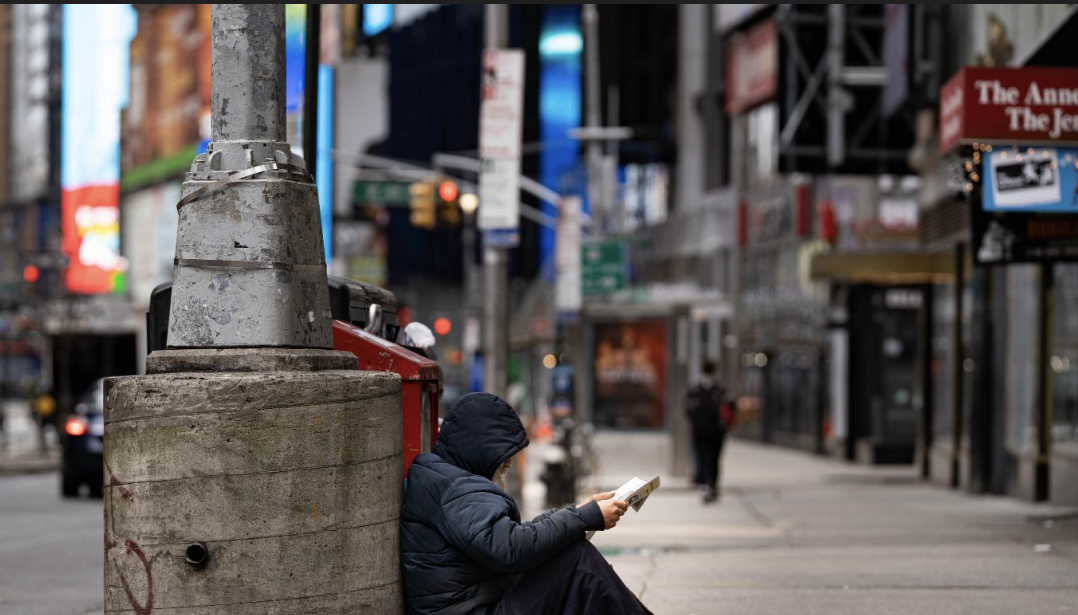
Poverty significantly impacts the mental health of immigrants in the U.S. Many immigrants face financial hardships that lead to anxiety and depression. Through our thorough research, we found that there was a lack of access for resources with immigrants dealing with poverty. Poverty has made many immigrants lives a stress factor and has made it difficult to live in the U.S.
In an article by the authors Hernandez, Markides, Kyriakos, and Cantu, a study was conducted, which was about the stress that comes from financial strain and how it affects the older Mexican-origin adults. There were 772 participants total all aged 74 and older. They used “waves” from the Hispanic Established Population for the Epidemiological Study of the Elderly (H-EPESE). People were put into three categories to access, no strain, persistent strain, and periodic strain. These waves helped access and help get finding or results.
The findings or results were that the more strain they had the more physical and psychological issues occur and that financial stress in these individuals causes poorer health issues, depression, and less coping mechanisms. The authors essentially concluded that financial strain is very significant when it comes to disability and depression in these older Mexican-orgin adults. This study is very helpful as it talks about what specific mental health issues Mexican-Americans are struggling with. Also how just one of the topics being researched (financial stress/strain) affects mental health in people and the lack of resources they have.
Continuous poverty created more financial issues which can lead to excess mental health issues that many do not have access to get help for, especially immigrants.
Mental health consequences
The stress and hardship associated with poverty can lead to serious mental health issues like anxiety and depression. These conditions, if left unaddressed, can have severe consequences. Our goal is to educate immigrants, government officials, and policy makers about these risks. Together we can implement effective strategies for prevention and intervention.
In our research, we found that the article written by authors Mercedes Ortiz Rodriguez, Juan Gudino, Jesus Valencia, Issac Rhew, and India J. Ornelas wrote the article “Patterns of mental health help seeking among Latina immigrant women.” Their article’s main idea states how Latina immigrant women can be more prone to mental health issues because of their immigrant status. They mention how they are at a greater risk because of “unique stressors they experience before, during, and after their migration to the United States-including high levels of exposure to violence, social isolation, economic instability, and cultural and linguistic barriers” (Rodriguez et al. Pg. 2). Many immigrant women experience these stressors after coming to the U.S. or even dealing with them beforehand but because of their immigration status, most of those stressors don’t go away.
Because of their mistrust in certain people and systems as an immigrant, they found that “Latina immigrants may prefer relational or family-based sources of support, which may reflect social norms or values shaped by migration experiences or community context” (Rodriguez et al. Pg. 2). This means that they may not get institutional support or therapy from a therapist but family instead which can be biased, or they may not have the right tools to help them. Lastly, after they conducted a study for anxiety symptoms and other mental health issues, they found how “depression, anxiety, and PTSD, when left addressed, are associated, are associated with impaired functioning, reduced quality of life,and an elevated risk of suicide” (Rodriguez et al. Pg.6). This is significant as it shows how if these mental health issues are left unchecked, it can lead to even worse issues and can even lead to suicide.
It is important that mental health issues are taken seriously but also, we must consider factors that cause it, in this case immigration, but also other factors like gender, and how these women have dealt with different issues that affect their health.
Concluding Details
Based on our findings, we can conclude that there was constant lack of resources for those in poverty and dealing with immigration. Since many could not get jobs because of their status, this led to more poverty stricken families that were immigrants. Poverty can place a big toll on ones mental health, and without the proper resources, it can led to harmful consequences like anxiety, depression and other health issues. There was also a big connection between the lack of therapy and/or mental health resources for Mexican-Americans. Our research showed that there are many factors that contribute to mental health issues like immigration status and poverty or financial stress. Our conclusion is that Mexican-Americans don’t have many resources for mental health and there is a need for more affordable ones or just ones that are easy access.

Seeking help and further learning
We encourage immigrants facing both poverty and mental health challenges to seek help or resources. We also call on policymakers to learn more about the impact of poverty on mental health and fight for a change to be made. By working together, we can support immigrants and create safer and supportive communities. Explore our resource page and connect with us to take the next step in making a change.